
Lessons Learned – A Market Pulse USP
A beautiful summary of this article…
Introduction: The Philanthropy Illusion
For years, I believed philanthropy was simple: You make money. You give back. You make a difference.
I thought writing checks to charities, funding scholarships, and donating to disaster relief meant I was contributing to a better world. I imagined my generosity was enough to spark change, that my role ended when the money left my bank account.
But I was wrong.
Philanthropy isn’t just about giving—it’s about influence. And I learned that lesson the hard way.
Money alone doesn’t fix broken systems. It doesn’t ensure long-term impact. It doesn’t shift the power structures that keep problems in place. I realized too late that real philanthropy isn’t about how much you give—it’s about how much you influence.
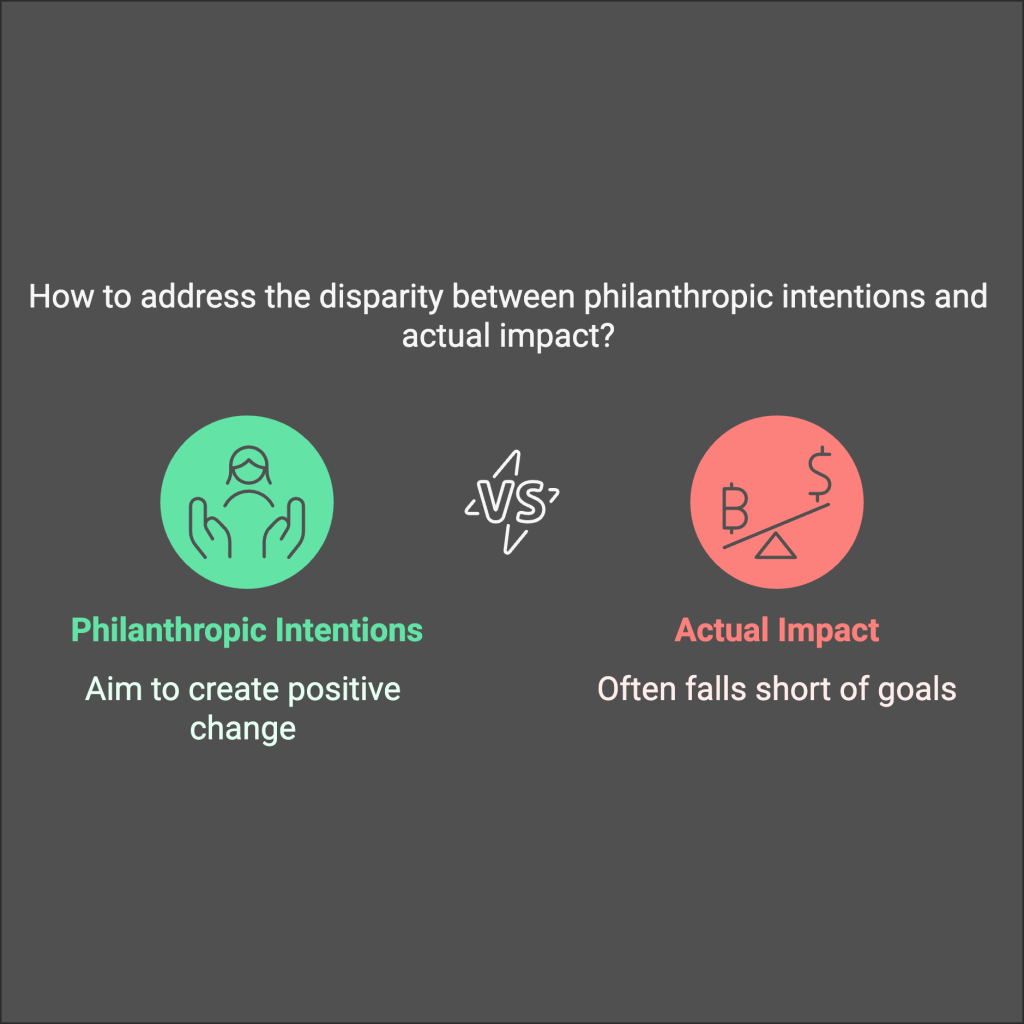
The Harsh Reality: Money Without Influence Fades Fast
At first, I gave passively. I donated to causes I believed in, trusting organizations to put my money to good use. I funded education programs, community initiatives, and healthcare efforts, feeling satisfied that I was making a difference.
But one day, I visited a school I had helped build in an underprivileged community. I expected to see progress, smiling students, and grateful teachers. Instead, I found a half-empty building, underpaid staff, and outdated materials.
“What happened?” I asked.
The local director sighed. “The funding was great at first, but it dried up. Bigger donors moved on. Government support never followed. We’re struggling to keep the lights on.”
That hit me like a punch to the gut. My donations had been a Band-Aid, not a solution. Money alone had not changed the system—it had only delayed the inevitable.
And that’s when I started to see the truth: If you want to create lasting change, philanthropy must go beyond financial support. It must influence people in power, policies, and mindsets.
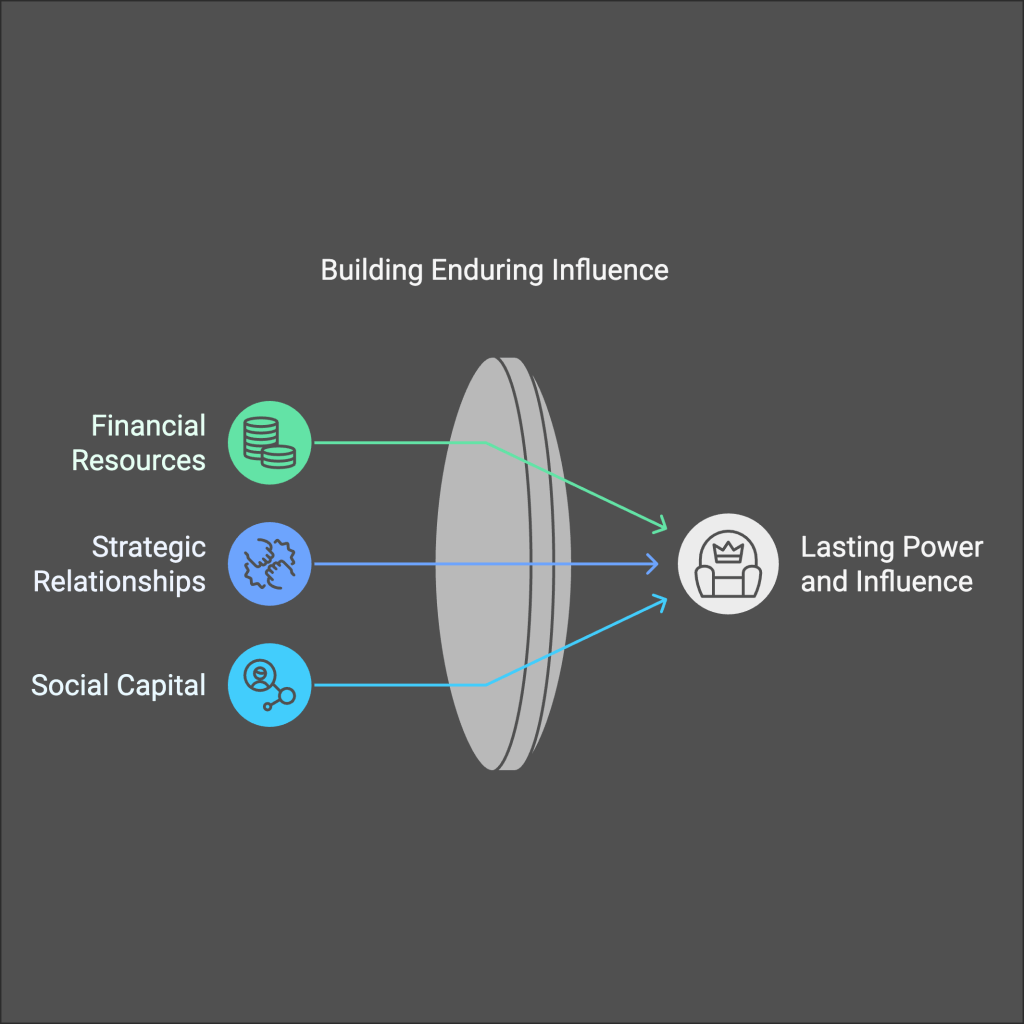
The Power Players in Philanthropy: How the Biggest Donors Shape the World
Why Influence Matters in Philanthropy
The world’s most influential philanthropists don’t just write checks—they shape global conversations, influence policy, and create systemic change. They understand that money alone isn’t enough. Instead, they use their wealth, networks, and platforms to drive large-scale transformation.
From billionaires to grassroots leaders, the most effective philanthropists recognize that real impact requires influence, not just donations. Let’s explore some of the most powerful figures in philanthropy, how they operate, and what we can learn from their approach.
1. Bill Gates: The Mastermind of Systemic Philanthropy
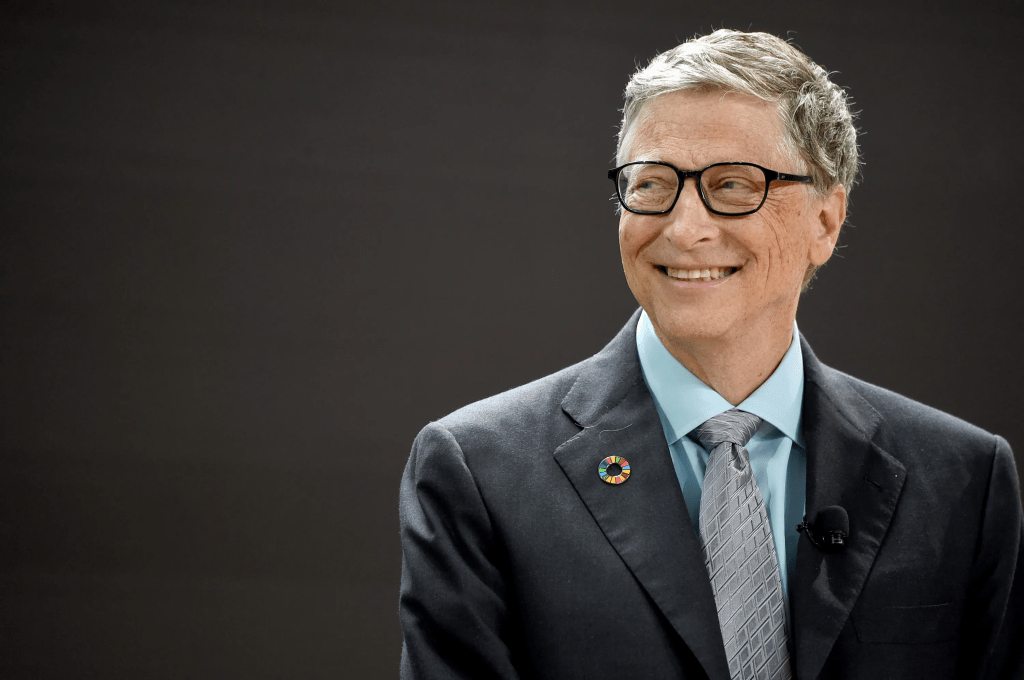
How He Uses Influence Over Money
Bill Gates could have spent his fortune making one-time donations to various causes. Instead, he built the Bill & Melinda Gates Foundation, one of the most powerful philanthropic organizations in history.
Rather than just giving money, Gates shapes global policies and reforms entire systems. His influence extends far beyond donations—he collaborates with governments, scientific institutions, and world leaders to drive change.
His Key Areas of Impact:
✔ Global Health – Funding vaccine research and eradicating diseases like polio.
✔ Education Reform – Advocating for improved learning technologies worldwide.
✔ Climate Change – Investing in sustainable energy solutions.
💡 Lesson: True philanthropy goes beyond short-term charity—it requires deep involvement in policy, innovation, and systemic transformation.
2. Oprah Winfrey: Using Her Platform to Drive Change
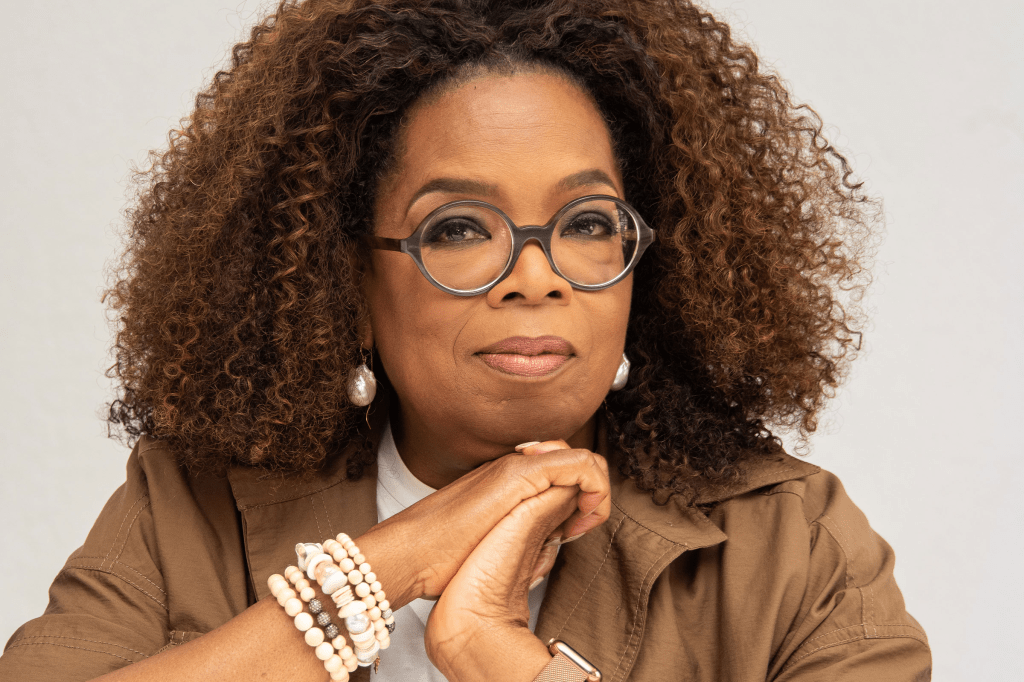
How She Uses Influence Over Money
Oprah Winfrey didn’t just donate millions—she shifted cultural conversations and used her platform to influence public opinion, policies, and societal attitudes.
Through her TV network, magazine, and public speaking, Oprah champions education, women’s rights, and racial equality. Unlike traditional philanthropists, her biggest asset isn’t money—it’s the ability to inspire action in millions.
Her Key Areas of Impact:
✔ Education – Opened the Oprah Winfrey Leadership Academy for Girls in South Africa.
✔ Mental Health Awareness – Advocates for emotional well-being and therapy access.
✔ Social Justice – Uses her platform to promote equality and women’s rights.
💡 Lesson: Influence can be more powerful than money when used to shift mindsets and mobilize millions toward a cause.
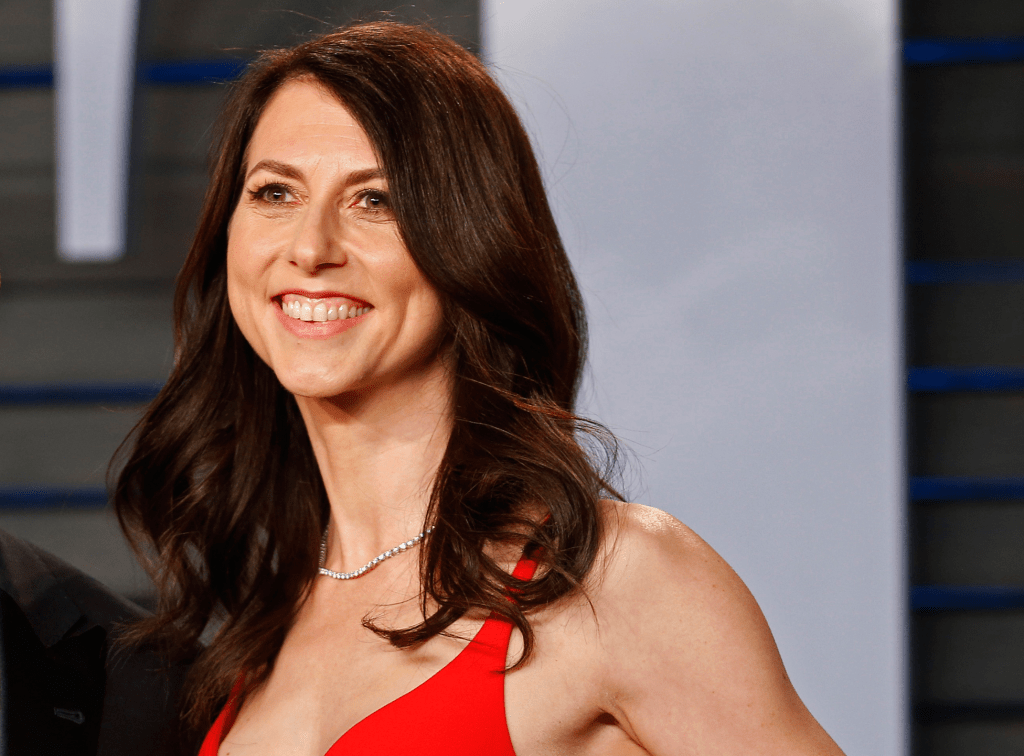
3. MacKenzie Scott: Disrupting Traditional Philanthropy
How She Uses Influence Over Money
MacKenzie Scott, ex-wife of Jeff Bezos, is reshaping the way philanthropy works. Instead of demanding complex grant applications, she gives large, unrestricted donations to nonprofits—trusting them to use the money effectively.
This challenges the traditional power dynamics in philanthropy, where donors usually control how funds are used. By giving without strings attached, she encourages a more decentralized, trust-based approach to charity.
Her Key Areas of Impact:
✔ Racial and Gender Equality – Supporting Black and Indigenous organizations.
✔ Community-Based Nonprofits – Direct funding to small, high-impact groups.
✔ Education & Public Health – Investing in schools, food security, and healthcare.
💡 Lesson: True generosity means empowering others—not just giving money but trusting communities to decide how to use it best.
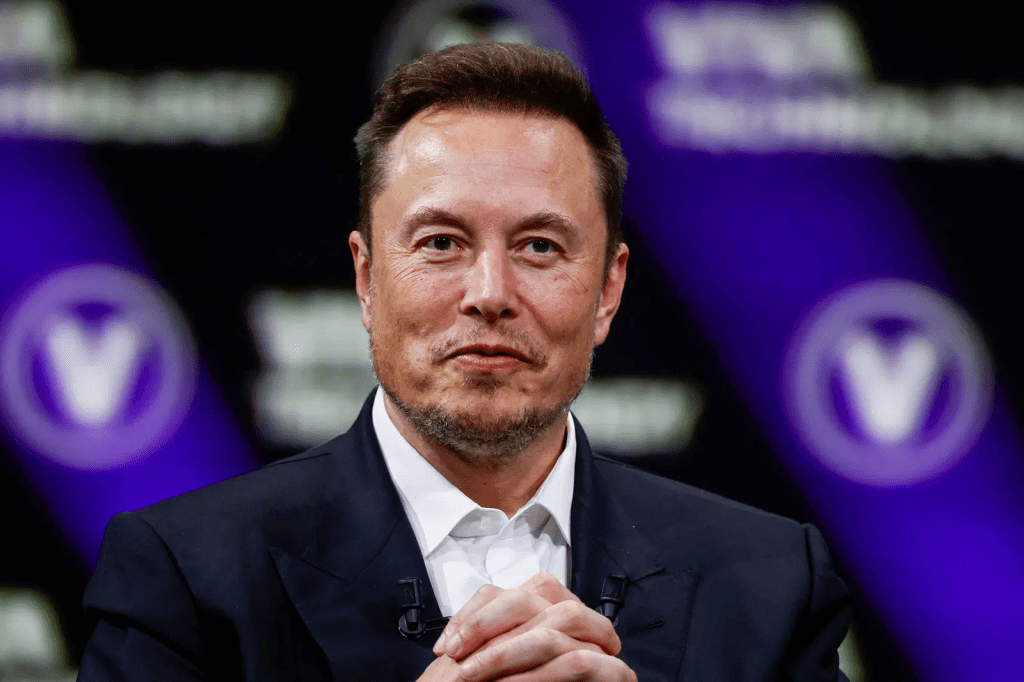
4. Elon Musk: The Controversial Impact Investor
How He Uses Influence Over Money
Unlike traditional philanthropists, Elon Musk focuses on technology-driven philanthropy. Instead of donating to existing charities, he invests in solutions that could change the world—such as renewable energy, space exploration, and artificial intelligence.
His approach blends business and philanthropy, proving that profit and impact don’t have to be separate. While controversial, Musk’s investments are reshaping industries and inspiring innovation.
His Key Areas of Impact:
✔ Sustainable Energy – Through Tesla and SolarCity, accelerating clean energy adoption.
✔ Space Exploration – SpaceX aims to make humanity multi-planetary.
✔ Neuroscience & AI – Investing in Neuralink and OpenAI to advance human capabilities.
💡 Lesson: Philanthropy isn’t always about giving away money—it can also mean investing in the future to solve the world’s biggest challenges.
5. Rihanna: Transforming Philanthropy Through Business & Culture

How She Uses Influence Over Money
Rihanna isn’t just a music icon—she’s a philanthropic powerhouse. Through her Clara Lionel Foundation, she funds education, disaster relief, and global health initiatives.
But her real power? Cultural influence.
By incorporating diversity, inclusion, and social change into her brands (Fenty Beauty, Savage X Fenty), Rihanna proves that business and philanthropy can work together.
Her Key Areas of Impact:
✔ Education Equity – Funding scholarships for underprivileged students.
✔ Disaster Relief – Supporting victims of hurricanes and climate crises.
✔ Representation & Inclusion – Pushing for diversity in beauty and fashion.
💡 Lesson: Brands and businesses can be powerful tools for philanthropy when built with a mission-driven approach.
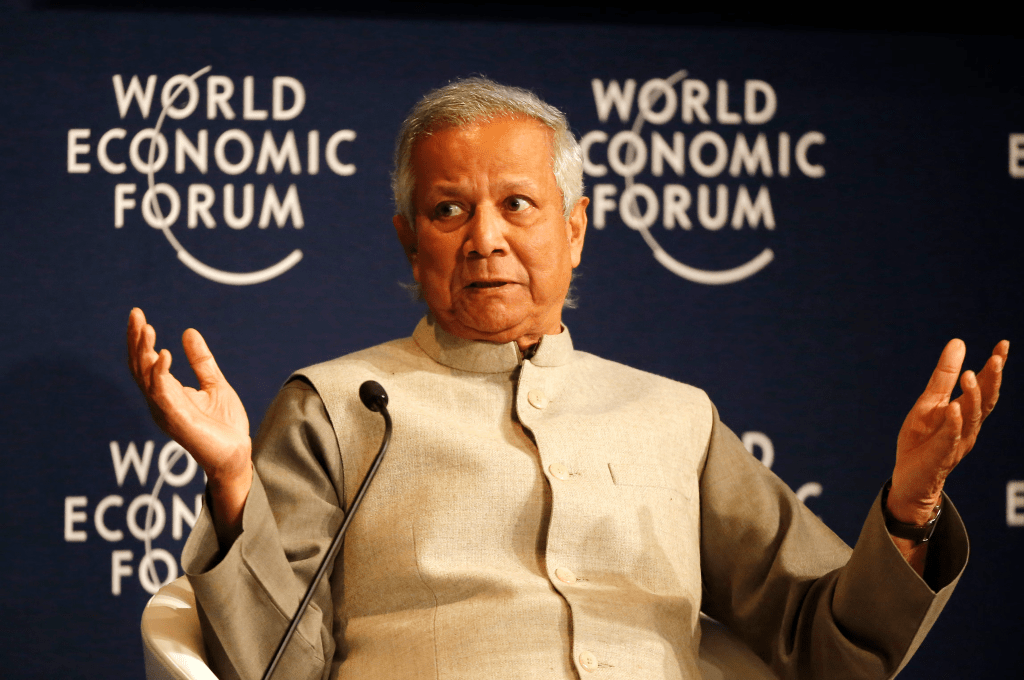
6. Muhammad Yunus: Microfinance & Social Entrepreneurship
How He Uses Influence Over Money
Muhammad Yunus, the Nobel Peace Prize-winning economist, revolutionized philanthropy with microfinance—providing small loans to poor entrepreneurs who lacked access to traditional banking.
His Grameen Bank model lifted millions out of poverty, proving that financial empowerment is more sustainable than charity.
His Key Areas of Impact:
✔ Poverty Alleviation – Providing loans to small businesses in developing countries.
✔ Women’s Economic Empowerment – Funding female entrepreneurs.
✔ Sustainable Social Enterprises – Supporting self-sustaining businesses over aid.
💡 Lesson: Philanthropy should empower people to help themselves rather than create dependency.
What We Can Learn from the Power Players in Philanthropy
If there’s one thing these philanthropists teach us, it’s that real change doesn’t come from just writing checks—it comes from leveraging influence in smart, strategic ways.
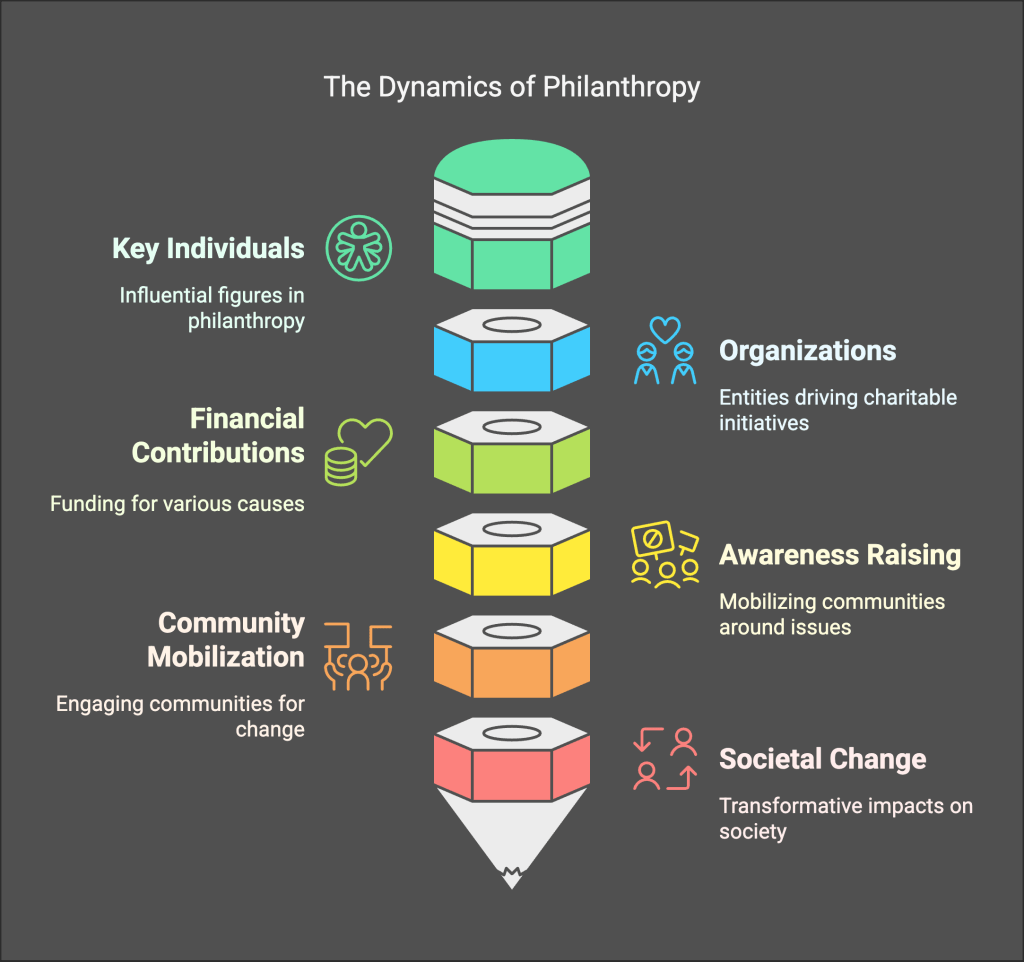
Key Takeaways for Anyone Wanting to Make an Impact:
✔ Don’t just donate—advocate. Speak up for your cause and use your voice to drive change.
✔ Think long-term. Focus on sustainable solutions rather than temporary relief.
✔ Empower communities, don’t control them. Give people the resources to solve their own problems.
✔ Use your platform. Whether you have 100 or 100,000 followers, influence starts with sharing your message.
✔ Innovate, don’t imitate. The most powerful philanthropists break traditional models and rethink how giving works.
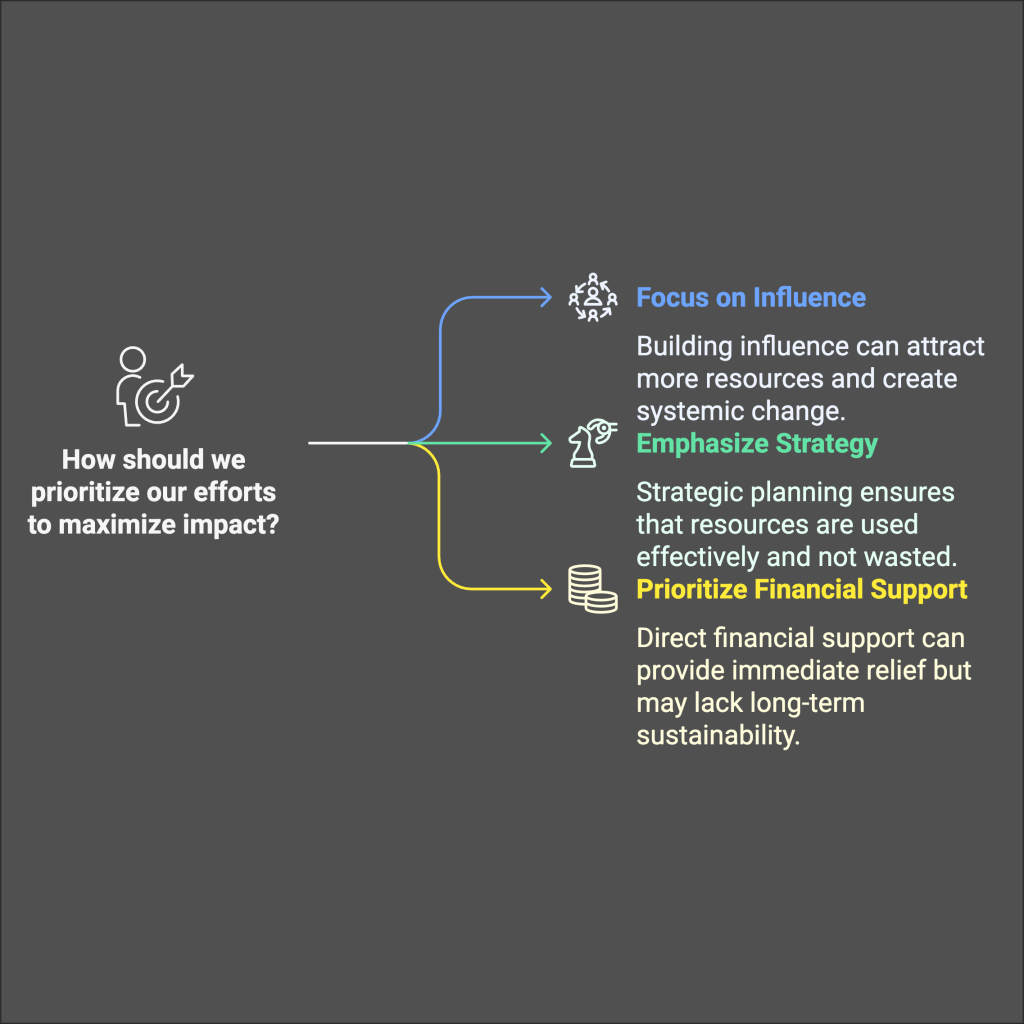
Why Influence Matters More Than Just Giving
I had to unlearn my old approach to philanthropy and rewire my mindset. Here’s what I discovered:
1. Systems, Not Symptoms
Throwing money at problems treats symptoms, not root causes. If you donate to food banks, you help today’s hungry—but if you influence agricultural policies, you reduce hunger long-term.
I had been focused on immediate relief, but real change happens when you disrupt broken systems.
2. Money Without Strategy Is Wasted
I once donated to an organization providing clean water to remote villages. Years later, I learned the wells had dried up due to poor maintenance.
A one-time donation doesn’t guarantee a sustainable solution. The most impactful philanthropists tie their money to long-term strategies, partnerships, and policy shifts.
3. Influence Attracts More Resources
I used to think giving quietly was the most noble way to contribute. But I was wrong.
When influential philanthropists speak up, they inspire governments, businesses, and individuals to contribute. Their influence multiplies impact beyond what money alone can do.
Instead of just donating, I should have been rallying networks, advocating for policy changes, and creating a movement around my cause.
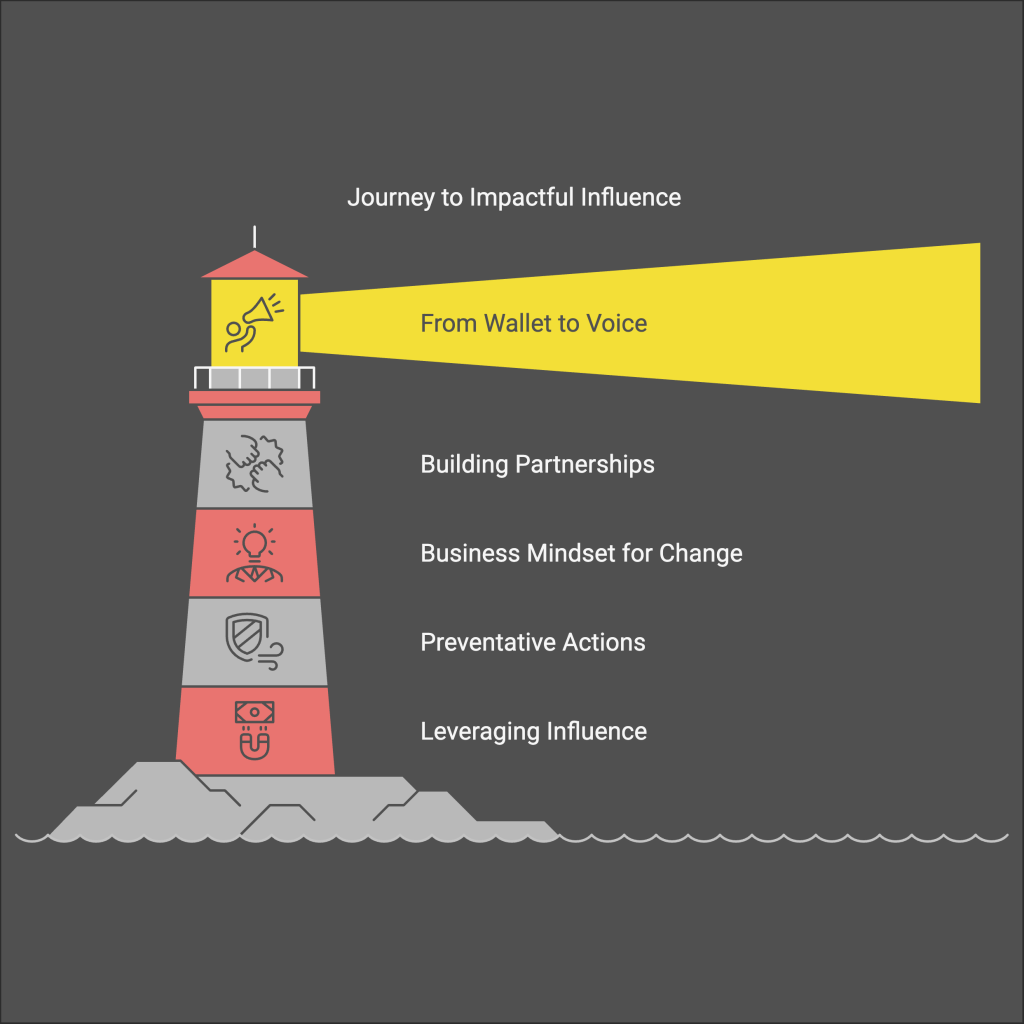
The Shift: From Giving to Influencing
Why Giving Alone Isn’t Enough
For years, I believed that giving money was the most effective way to create change. I assumed that if I donated enough to the right causes, they would thrive, grow, and eventually solve the problems they were tackling.
But then reality hit.
I saw well-funded schools run out of resources within a few years. I watched charities I had supported shut down due to a lack of sustainable funding. I met nonprofit leaders frustrated by the limitations of one-time donations.
That’s when I realized: Money without influence is like water in a leaky bucket. It disappears without fixing the holes.
Giving is important, but influence is what turns generosity into long-term impact. The world’s most powerful philanthropists aren’t just donating money—they are shaping policies, building movements, and changing systems.
It took me too long to understand this shift, but once I did, my entire approach to philanthropy changed. Here’s what I did differently.
1. I Became a Voice, Not Just a Wallet
The Old Way: Silent Giving
I used to believe that philanthropy should be private, that giving quietly was the most honorable approach. I donated, got a thank-you email, and moved on.
The problem? No one else was inspired to act.
The New Way: Speaking Up & Raising Awareness
I started talking about the causes I supported. I used my network, social media, and public speaking opportunities to educate others about why these issues mattered.
✔ Instead of just donating to education, I started writing about why access to quality education is a global crisis.
✔ Instead of just funding healthcare initiatives, I advocated for better government policies on public health.
✔ Instead of only contributing to social justice causes, I worked on mobilizing people to vote for change.
💡 Lesson: If you care about an issue, don’t just fund it—fight for it. Use your voice, platform, and influence to make others care too.
2. I Focused on Building Partnerships
The Old Way: Independent Donations
I used to think, “I’ll just donate directly to the organizations that need help.” But that approach made my impact isolated and small-scale.
The New Way: Collaboration Over Competition
I realized that the most effective change happens when powerful groups work together.
✔ Partnered with government agencies to ensure funding turned into policy-backed change.
✔ Joined forces with businesses and influencers who could amplify the cause beyond my own reach.
✔ Connected charities with corporate sponsors to create ongoing funding streams instead of one-time donations.
💡 Lesson: Philanthropy isn’t a solo act—it’s a team effort. If you want real impact, bring together governments, businesses, media, and the public to support a cause.
3. I Used My Business Mindset to Drive Sustainable Change
The Old Way: Charity Thinking
For a long time, I approached philanthropy like giving a gift—expecting nothing in return.
But here’s the problem: Charity without sustainability leads to dependency.
A food bank can feed a hungry community today, but if we don’t address poverty and unemployment, they’ll be hungry again tomorrow.
The New Way: Applying Business Principles to Philanthropy
I started investing in long-term solutions instead of just funding short-term relief.
✔ Instead of just donating to schools, I helped build teacher training programs to ensure better education outcomes for generations.
✔ Instead of funding one-off scholarships, I worked on policy advocacy to expand education access nationwide.
✔ Instead of donating to job training programs, I helped develop partnerships with businesses to guarantee employment opportunities.
💡 Lesson: Philanthropy should operate like a business—focused on sustainable, long-term impact, not just immediate relief.
4. I Stopped Reacting & Started Preventing
The Old Way: Crisis Donations
I used to wait for disasters and emergencies before stepping in. Earthquake? Donate to relief efforts. Economic crash? Fund food banks. Pandemic? Support medical supplies.
While these efforts were important, they weren’t preventing problems—just responding to them.
The New Way: Preventative Philanthropy
I realized the most powerful philanthropists invest in prevention, not just crisis relief.
✔ Instead of just funding hospitals, I started funding public health education to prevent diseases before they spread.
✔ Instead of only donating to climate disaster relief, I started investing in renewable energy to combat climate change at the root.
✔ Instead of funding emergency shelters, I supported long-term housing initiatives to reduce homelessness permanently.
💡 Lesson: If you truly want to change the world, don’t wait for problems to explode—work to stop them before they start.
5. I Leveraged Influence to Attract More Resources
The Old Way: Giving in Isolation
I used to believe that philanthropy was a private matter—that my impact would be measured solely by how much I gave.
The New Way: Using Influence to Bring in More Support
Then I realized: The most powerful philanthropists don’t just give—they attract more giving.
✔ Bill Gates’ advocacy for vaccine research led to billions in additional funding from other donors.
✔ Oprah’s support for mental health awareness led to millions of people seeking therapy.
✔ MacKenzie Scott’s unrestricted giving model changed how nonprofits receive funding.
So I started doing the same.
✔ Publicly sharing my giving journey encouraged others to donate.
✔ Using my business connections brought corporate sponsors into nonprofit initiatives.
✔ Advocating for causes made governments and institutions pay attention.
💡 Lesson: Your ability to inspire others to give is just as valuable as your own donations. Influence multiplies impact.
The Biggest Lesson: You Don’t Need Millions to Influence Change
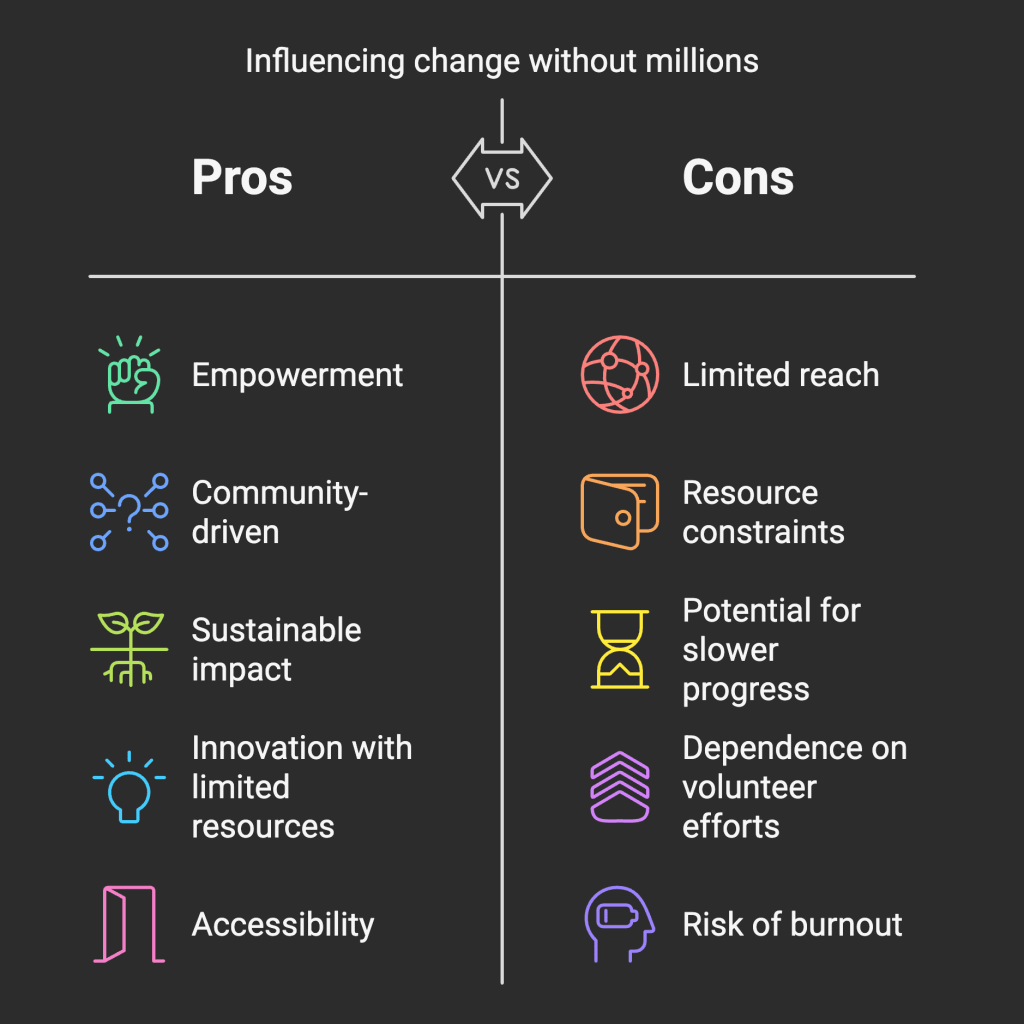
The biggest myth about philanthropy is that only billionaires can make a difference. That’s not true. Influence isn’t just about money—it’s about leadership, advocacy, and mobilization.
Even if you don’t have millions to donate, you can:
✔ Raise awareness through storytelling and social media.
✔ Support policy changes by voting, petitioning, or lobbying.
✔ Mentor and educate others in underserved communities.
✔ Build partnerships that drive long-term solutions.
The most powerful philanthropists aren’t just donors—they are movement builders.
Final Thoughts: The Future of Philanthropy Is Influence
Looking back, I regret the years I spent thinking philanthropy was just about giving money. I now know that lasting change requires influence, strategy, and systemic thinking.
If you truly want to make a difference, ask yourself:
- Are you investing in short-term fixes or long-term solutions?
- Are you giving quietly, or using your voice to inspire action?
- Are you working alone, or building partnerships for bigger impact?
Philanthropy is not about how much you give—it’s about how much change you create. And that only happens when you influence the systems, policies, and people shaping our world.
💬 What’s your take? Do you believe philanthropy should focus more on influence than just giving? Let’s discuss in the comments!
#Philanthropy #Impact #Leadership #GivingBack #SocialChange #Nonprofits #Influence




You must be logged in to post a comment.