
💬 Lesson’s Learned – our USP
A summary of all the key lessons.
Introduction: The Illusion of Work-Life Balance
For decades, we’ve been told that achieving work-life balance is the key to happiness and success. The message is clear:
- Work too much, and you’re at risk of burnout.
- Spend too much time on personal life, and your career will suffer.
- If you find the right balance, everything will fall into place.
But this concept is deeply flawed. In today’s always-on digital economy, the boundaries between work and personal life have blurred. The idea that we can perfectly split time and energy between work and personal commitments is unrealistic.
In fact, the pursuit of balance often creates more stress than relief. Instead of forcing an artificial divide, we should embrace work-life integration—a flexible, value-driven approach that adapts to different phases of life.
In this comprehensive guide, we’ll explore:
✅ Why the concept of work-life balance is misleading
✅ The hidden costs of trying to balance work and life
✅ How work-life integration is a more practical alternative
✅ Strategies to create a fulfilling and sustainable lifestyle
Let’s redefine success beyond outdated productivity myths.
1. Why Work-Life Balance Is a Myth
1.1 The Origins of Work-Life Balance
The term “work-life balance” emerged in the 1980s, when corporate culture shifted toward valuing employee well-being. Companies recognized that overworking employees led to burnout, so the concept of separating work and personal life became widely promoted.
However, this model was based on a 9-to-5 industrial work structure—which no longer applies to modern careers. Today, people work remotely, across time zones, and in hybrid roles where traditional boundaries don’t exist.
1.2 The Hidden Costs of Chasing Balance
The pursuit of balance can ironically lead to more stress. Here’s why:
- It Creates Unrealistic Expectations: The idea of “equal balance” between work and life is misleading because life is unpredictable. Some weeks, work will demand more time; other weeks, family or personal priorities take precedence.
- It Leads to Guilt and Frustration: If you spend more time on work, you feel guilty about neglecting personal life. If you focus on personal life, you feel guilty about not working enough. This cycle leads to constant dissatisfaction.
- It Doesn’t Account for Passion and Purpose: For many professionals, work isn’t just a job—it’s a source of meaning and fulfillment. Forcing artificial separation can reduce engagement and motivation.
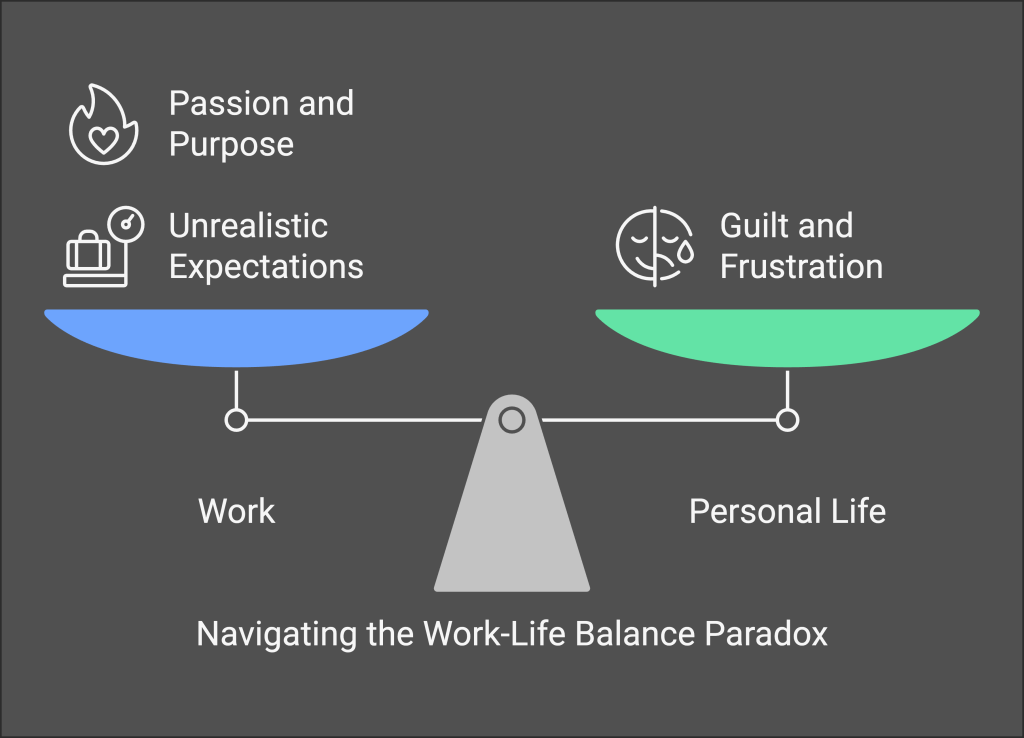
💡 Example: A startup founder in their early years of business development may need to devote 70% of their time to work. Trying to impose a rigid 50/50 split would hinder progress.
1.3 The False Assumption of a Fixed Ratio
The biggest flaw in the work-life balance narrative is the assumption that all aspects of life should get equal time. The truth is, different seasons of life require different levels of attention to work, family, health, and personal growth.
✔ Early career? More work-focused.
✔ Mid-career? More balance between work, family, and financial security.
✔ Late career? More focus on personal passions and legacy.
Instead of chasing balance, we need a flexible approach that evolves with life’s demands.
2. Work-Life Integration: A Smarter Alternative
Instead of separating work and life into competing categories, work-life integration blends them in a way that aligns with your values and priorities.
2.1 What Is Work-Life Integration?
Work-life integration recognizes that:
- Work and personal life aren’t separate entities—they overlap.
- Priorities shift depending on life stages and circumstances.
- Productivity isn’t about counting hours but about managing energy effectively.
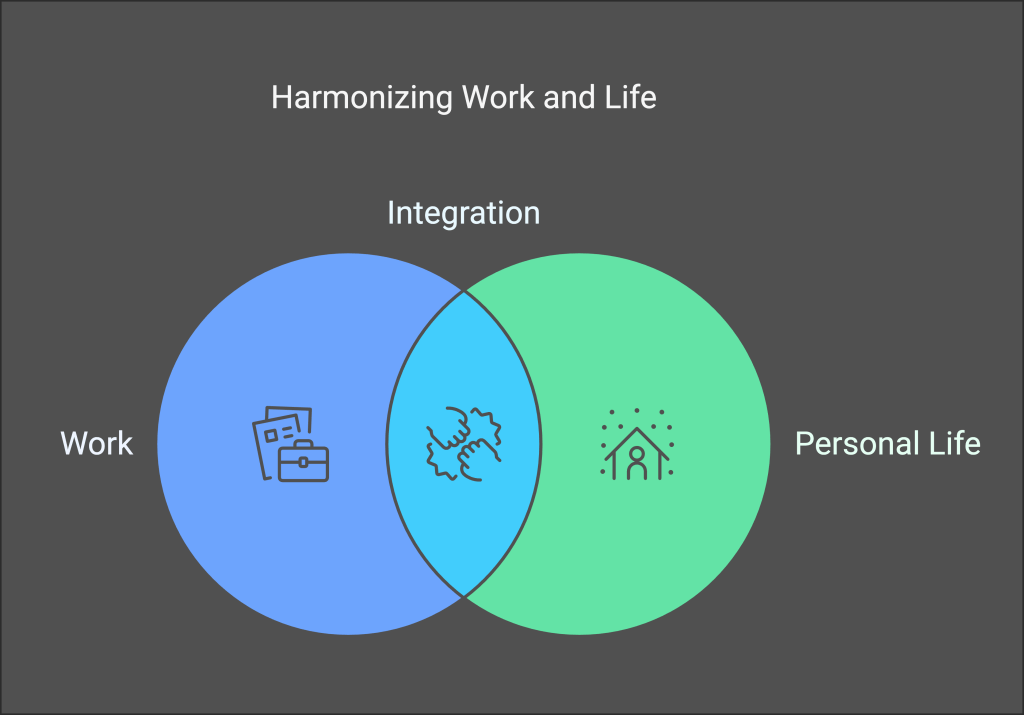
💡 Example: A marketing consultant who enjoys traveling can work remotely, blending work with lifestyle experiences. They don’t need to separate “work” and “life”—they design a lifestyle where both coexist.
2.2 How Work-Life Integration Works in Practice
✔ Flexible Work Hours – Focus on productivity over hours spent working.
✔ Aligning Work with Passions – If work excites you, it doesn’t need to be “balanced” against life.
✔ Prioritizing Energy Management – Work when you’re most productive, and rest when needed.
By shifting to this model, professionals reduce burnout and increase fulfillment—because work becomes a natural part of life rather than something to escape from.
3. The Four Pillars of a Fulfilling Life
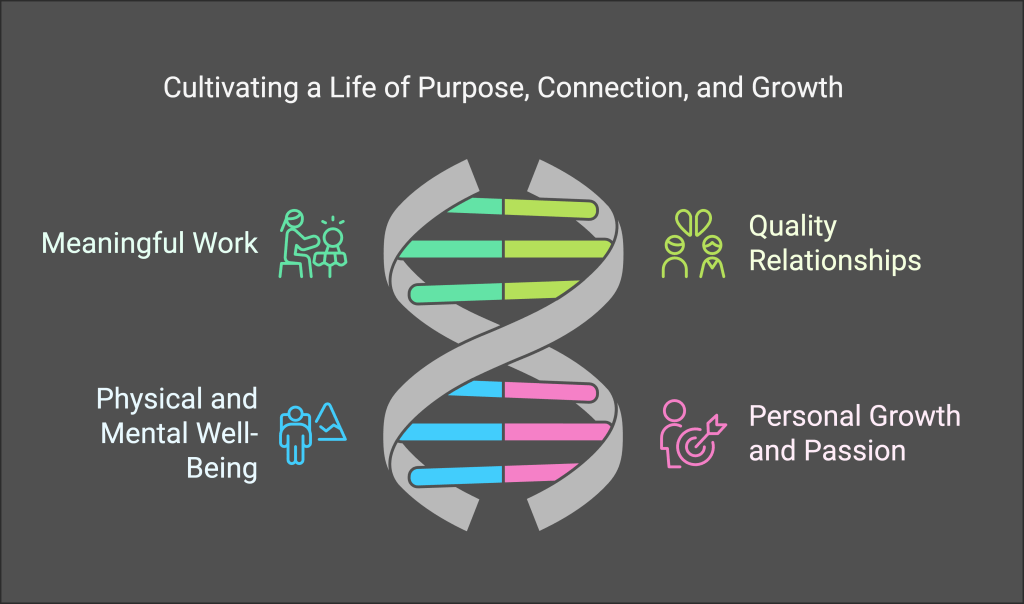
If work-life balance isn’t the goal, what should we aim for? A fulfilling life, built on these four core pillars:
3.1 Meaningful Work
✔ Work that aligns with personal values and strengths
✔ Setting boundaries to prevent burnout
✔ Seeking challenges and opportunities for growth
3.2 Quality Relationships
✔ Investing in meaningful connections
✔ Being fully present in personal interactions
✔ Prioritizing relationships based on mutual growth and support
3.3 Physical and Mental Well-Being
✔ Prioritizing rest, exercise, and proper nutrition
✔ Creating time for mental clarity (meditation, hobbies, breaks)
✔ Recognizing when to disconnect and recharge
3.4 Personal Growth and Passion
✔ Engaging in hobbies outside of work
✔ Learning new skills and expanding knowledge
✔ Traveling, experiencing different cultures, and embracing creativity
When these elements are intentionally managed, life feels harmonious rather than constantly divided between “work” and “life.”
4. Strategies for Achieving Work-Life Integration
4.1 Shift Your Mindset from Balance to Prioritization
Instead of measuring success by “equal time spent,” ask:
✔ “What needs my attention the most right now?”
✔ “Am I fully engaged in what I’m doing?”
4.2 Design a Life That Aligns with Your Goals
Instead of fitting life around work, create a lifestyle where:
- Work supports personal aspirations.
- Daily routines enhance well-being.
- Flexibility allows for adapting to changing priorities.
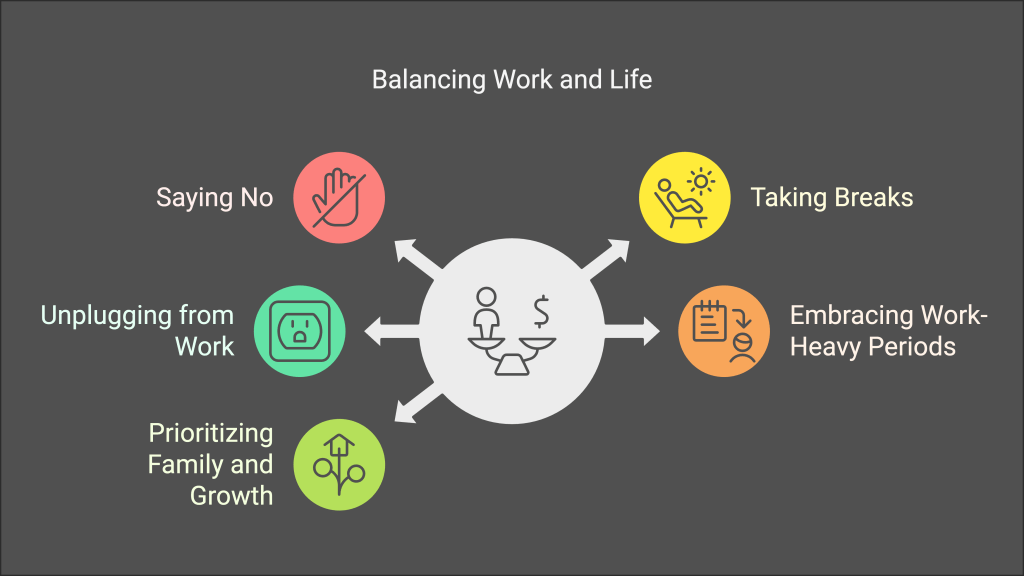
4.3 Set Boundaries Without Guilt
✔ Saying “no” to unnecessary work commitments
✔ Taking breaks without feeling unproductive
✔ Unplugging from work when needed
4.4 Embrace Different Seasons of Life
✔ Some periods will be work-heavy, and that’s okay.
✔ Other times, family and personal growth take priority.
✔ Recognizing that there’s no “one-size-fits-all” formula.
Final Thoughts: Redefining Success Beyond Balance
The traditional concept of work-life balance is outdated because it doesn’t account for the complexities of modern work and personal fulfillment.
Instead of forcing balance, focus on:
✅ Work-life integration – blending work and life harmoniously.
✅ Managing energy, not just time.
✅ Creating a life that aligns with values and long-term goals.
By shifting away from rigid balance and embracing flexible integration, professionals can achieve long-term success, productivity, and fulfillment—without the guilt.
💬 What do you think? Have you struggled with work-life balance? How do you integrate work and life? Drop a comment below—I’d love to hear your thoughts! 🚀




You must be logged in to post a comment.