
Introduction
💬 Lesson’s Learned – our USP
A summary of all the key lessons.
Starting a business is an exciting journey, but in today’s digital-first world, simply having a great product or service isn’t enough. To stand out, startups must master the art of digital marketing. With limited budgets and the need to scale quickly, having an effective strategy is crucial. So, what are the best digital marketing strategies for startups? In this guide, we’ll explore proven methods to help your business grow online, attract customers, and build a loyal brand following.

1. Build a Strong Online Presence
Your website is the foundation of your digital marketing efforts. For startups, having a professional, user-friendly website is non-negotiable.
Key Tips for Building Your Online Presence:
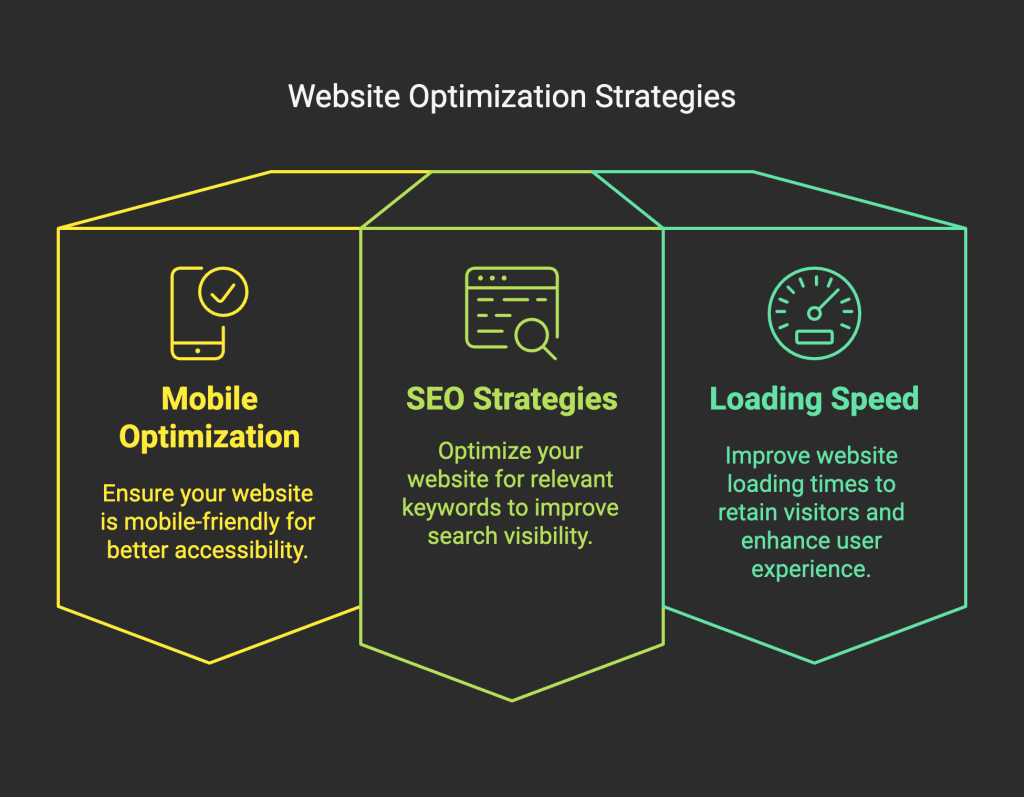
- Mobile Optimization: Ensure your website is mobile-friendly. Over 60% of web traffic comes from mobile devices.
- SEO (Search Engine Optimization): Optimize your website for relevant keywords so potential customers can find you on Google.
- Fast Loading Speeds: Websites that take longer than 3 seconds to load often lose visitors. Use tools like Google PageSpeed Insights to optimize performance.
Pro Tip:
Create a compelling “About Us” page that shares your startup’s story. This builds trust and creates a personal connection with your audience.
2. Leverage Content Marketing
Content marketing is one of the most cost-effective strategies for startups. By creating valuable, engaging content, you can position yourself as an expert in your industry and attract your target audience.
Actionable Steps:
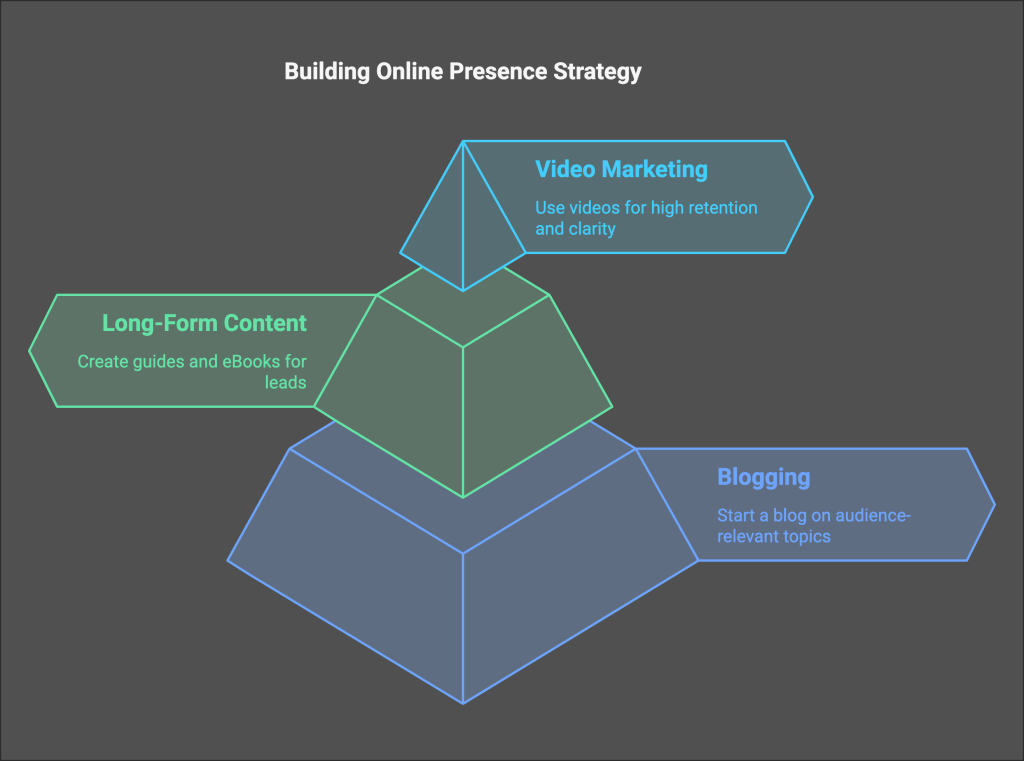
- Start a blog with topics your audience cares about.
- Create long-form content like guides, eBooks, or whitepapers to generate leads.
- Use video marketing to explain your product or service—videos have a 95% retention rate compared to text.
Content Ideas for Startups:
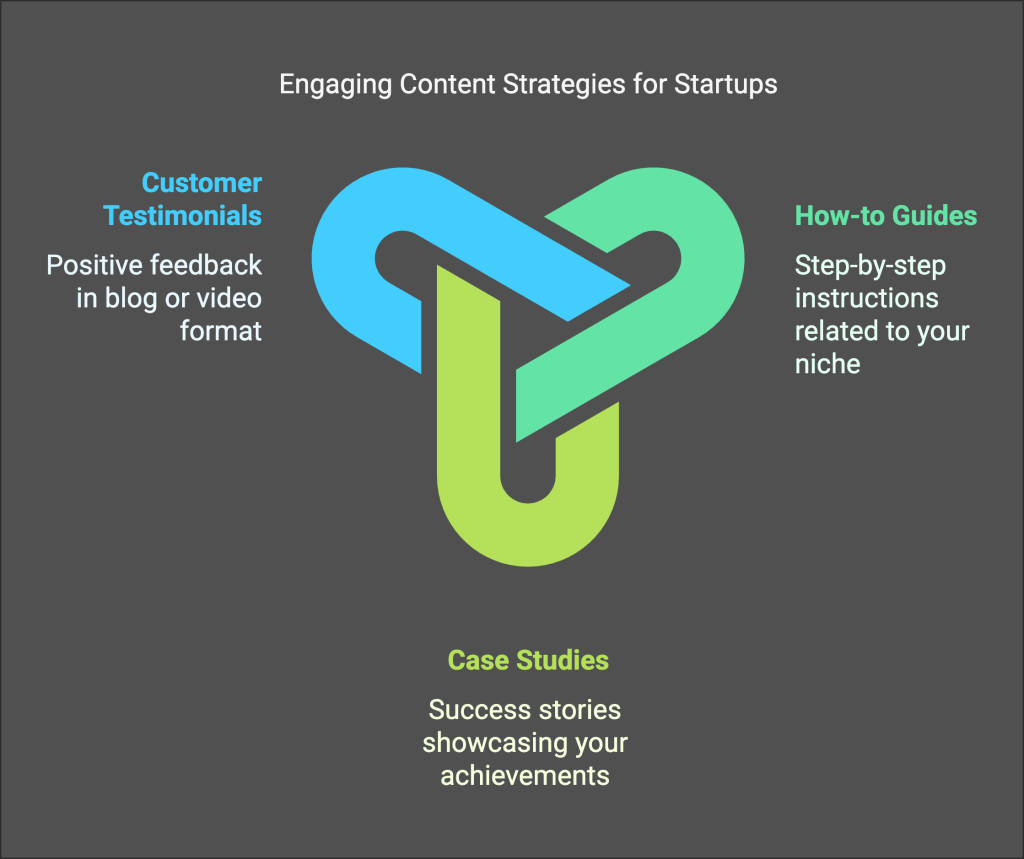
- “How-to” guides related to your niche.
- Case studies showcasing your success stories.
- Customer testimonials in blog or video format.
Pro Tip:
Repurpose content across platforms. For example, turn a blog post into an infographic or a short LinkedIn post.

3. Social Media Marketing
Social media platforms are essential for startups to build brand awareness and engage with their audience. But the key is to focus on platforms where your audience spends the most time.
Best Practices for Social Media Marketing:
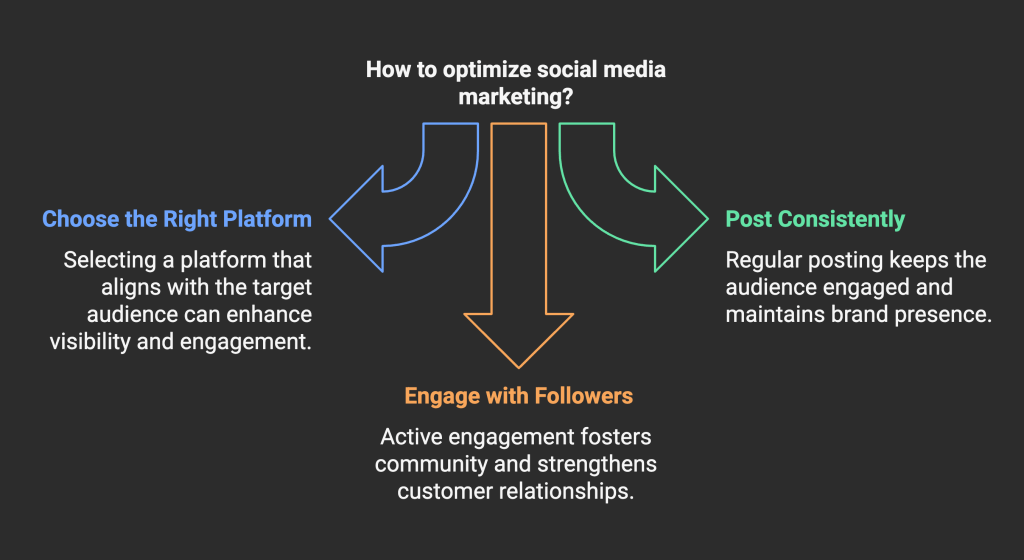
- Choose the Right Platform: For example, B2B startups might focus on LinkedIn, while consumer-focused startups might thrive on Instagram or TikTok.
- Post Consistently: Use a social media scheduling tool like Hootsuite or Buffer to plan and post regularly.
- Engage with Followers: Respond to comments, ask questions, and encourage conversations.
Pro Tip:
Experiment with short-form video content like Instagram Reels or TikTok. Videos have higher engagement rates than static posts.
4. Invest in Paid Advertising
While organic strategies like SEO and social media are important, paid advertising can deliver quicker results. Start small and scale your ad spend as you see results.
Platforms to Consider:
- Google Ads: Great for targeting people actively searching for your product or service.
- Facebook & Instagram Ads: Ideal for reaching specific demographics based on interests and behaviors.
- LinkedIn Ads: Best for B2B startups targeting professionals or decision-makers.
Pro Tip:
Use retargeting ads to reach people who’ve visited your website but didn’t convert. These ads have higher conversion rates because they target users who are already familiar with your brand.
5. Email Marketing
Email marketing remains one of the most effective ways to nurture leads and convert them into customers. For startups, building an email list early is a smart move.
Steps to Build Your Email List:
- Offer a valuable lead magnet like a free eBook, discount code, or exclusive content in exchange for email sign-ups.
- Use tools like Mailchimp or ConvertKit to manage and automate your email campaigns.
- Personalize your emails to improve open and click-through rates.
Pro Tip:
Send a weekly newsletter with updates, industry insights, or helpful tips to keep your audience engaged.
6. Focus on Influencer Marketing
Partnering with influencers can help startups build credibility and reach new audiences. Micro-influencers (those with smaller, highly engaged audiences) are often more affordable and effective than big-name celebrities.
How to Get Started:
- Identify influencers in your niche using tools like BuzzSumo or Upfluence.
- Start with micro-influencers who have 10k–50k followers.
- Offer free products or services in exchange for honest reviews or promotions.
Pro Tip:
Track influencer campaigns using custom links or promo codes to measure ROI.

7. Use Analytics to Optimize Campaigns
Data is your best friend in digital marketing. Tracking your performance helps you understand what’s working and what needs improvement.
Tools for Analytics:
- Google Analytics: Measure website traffic, user behavior, and conversion rates.
- Social Media Insights: Platforms like Instagram, Facebook, and LinkedIn offer built-in analytics.
- Heatmaps: Use tools like Hotjar to see where users click or spend time on your website.
Pro Tip:
Set clear KPIs (Key Performance Indicators) like website traffic, lead generation, or sales growth to measure success.
8. Focus on Customer Reviews and Testimonials
Word-of-mouth marketing is still one of the most powerful tools for startups. Positive reviews and testimonials build trust and help convert leads into customers.
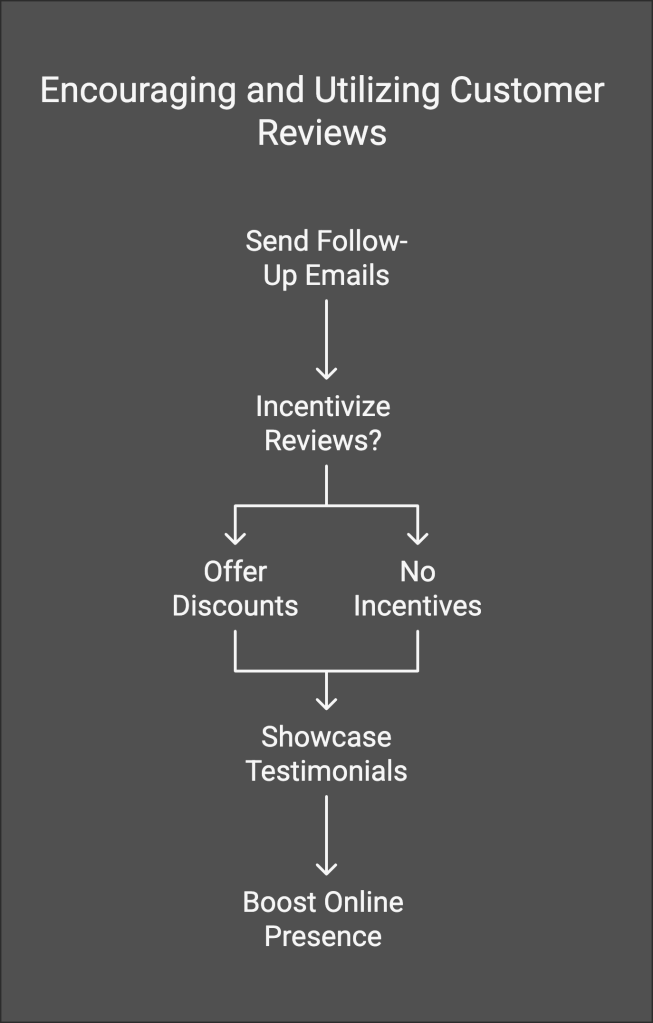
Ways to Encourage Reviews:
- Send follow-up emails after a purchase asking for feedback.
- Incentivize reviews with discounts or special offers.
- Showcase testimonials on your website and social media channels.
Pro Tip:
Respond to all reviews—both positive and negative. This shows you care about your customers and are willing to improve.
Conclusion
For startups, digital marketing is the key to leveling the playing field and competing with established brands. By building a strong online presence, leveraging content marketing, engaging on social media, and investing in paid ads, startups can create impactful strategies that drive growth. Remember, consistency is key, and always be willing to test and optimize your efforts. With the right approach, your startup can thrive in the ever-evolving digital landscape.




You must be logged in to post a comment.