“Building a strong brand is both an art and a science. A strong brand commands intense consumer loyalty—at its heart is a great product or service.”
Philip Kotler
Your product maybe best in class, but how will your customers who have no knowledge in your field, know about it?
Short answer: They cannot.
The only thing your customers know is what they need.
It is your job to convince them, that your product meets their demand.
It is that simple.
Or, is it?
Do they really know what they want?
Ravi wants to buy a shoe.
But why did he walk into a Nike store and not some other?
“Oh Nike shoes have better quality”
What magical device does he have to measure quality?
“Oh but it feels premium?”
How can he say that? Has he analysed every shoe in the market?
A simple assumption is that your customer knows what they want. Do they, though?
Any market study in any sector across any geography will tell you that the reality is, your customers rarely know what it is that they truly want! Now, today with the advent of the the internet, people are getting more aware, more informed about various things, agreed – but you as a marketer will be kidding yourself, if you assume they know.
I hope I have made my point. In case I did not, let me put it out there – Ravi went into the Nike store because he was convinced, by marketing efforts that Nike shoes are premium and high quality.
Read More: How Brand use Design and Marketing to control your mind.
Building Brand Equity
Now let us cook a brand!
To do: Your brand + target audience
101:
- Brand Elements: Your name, logo, tagline url, slogan, package, you get the picture. They must be memorable, meaningful, well-liked. You knew it. What you did not know is – it must also be adaptable. Can you introduce new products under the same brand name? Hmm, something to think about! Samsung sells phones, washing machines, televisions, etc. If they called their brand, “The PhoneX” (just a fun name)… it would be difficult for them to brand washing machines.
- Product: Needless to say, the product must be competitive. If your underlying product is not upto the market standards, it may sell once, it will not sell again. Also, the brand elements must fit well with the product. The Brand Name must convey to the target audience, what exactly it is that your are offering.
- Indirect Association: NewZealand vodka 42BELOW refers to both a latitude (in New Zealand) and the percentage of alcohol content, while showcasing their purity! Have a look.
- Marketing Activities: Mountain Dew created the multi-city Dew Tour in which athletes compete in different skateboarding, BMX, and freestyle motocross events to reach the coveted but fickle 12- to 24-year-old target market.
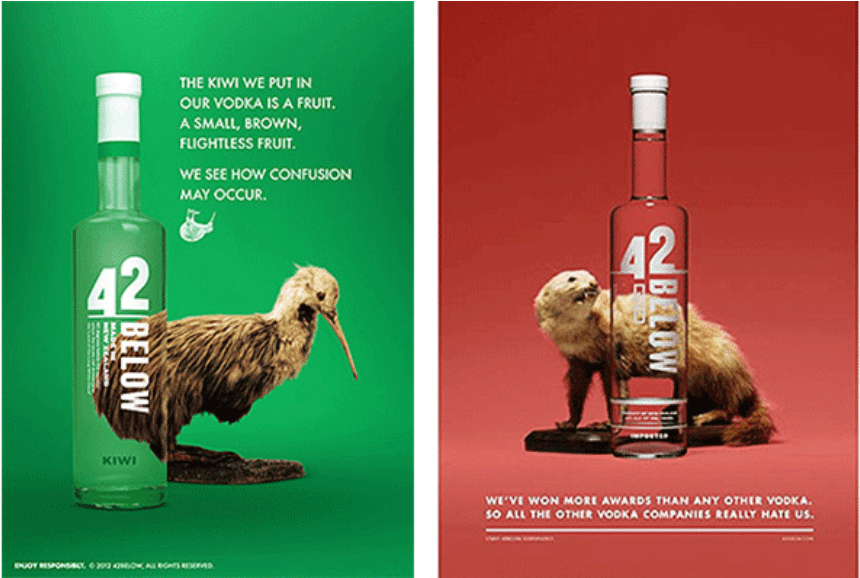
Can you introduce new products under the same brand name?
Brand Valuation: How and Why?
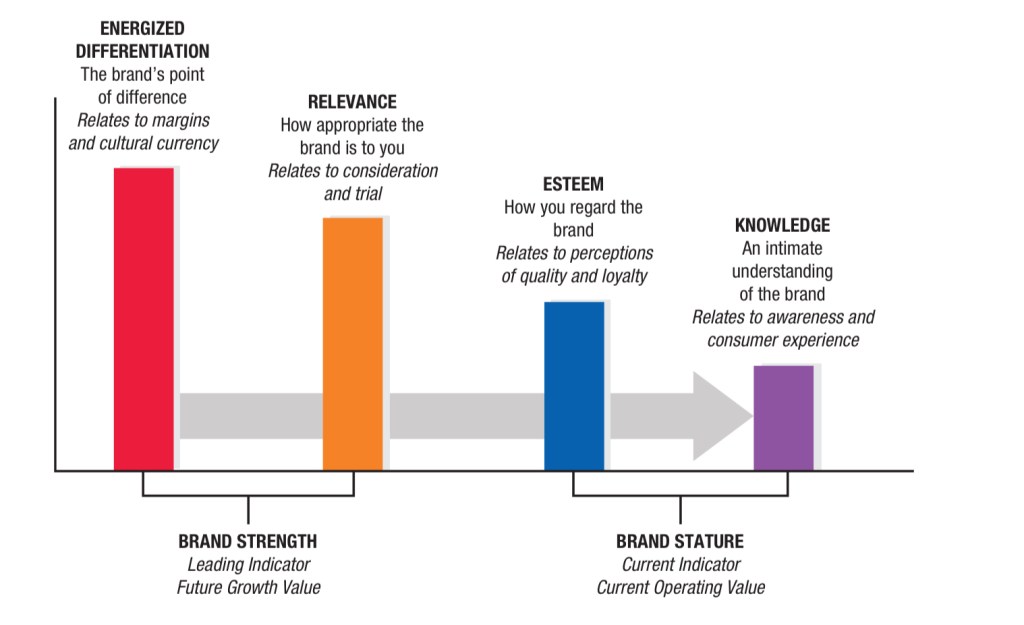
- Energised differentiation measures the degree to which a brand is seen as different from others, and its perceived momentum and leadership.
- Relevance measures the appropriateness and breadth of a brand’s appeal.
- Esteem measures perceptions of quality and loyalty, or how well the brand is regarded and respected.
- Knowledge measures how aware and familiar consumers are with the brand.
Read More: Brand Valuation: How and Why?
Summary
Your brand is the cornerstone of your business. It’s what sets you apart, builds trust, and fosters connections with your audience. In a world where customers have endless options, a strong brand is what ensures they choose you.
Investing in your brand is one of the most important decisions you can make for long-term success. It’s not just about creating a polished image; it’s about delivering consistent value and building relationships that stand the test of time.
So, are you ready to take your brand to the next level?




You must be logged in to post a comment.