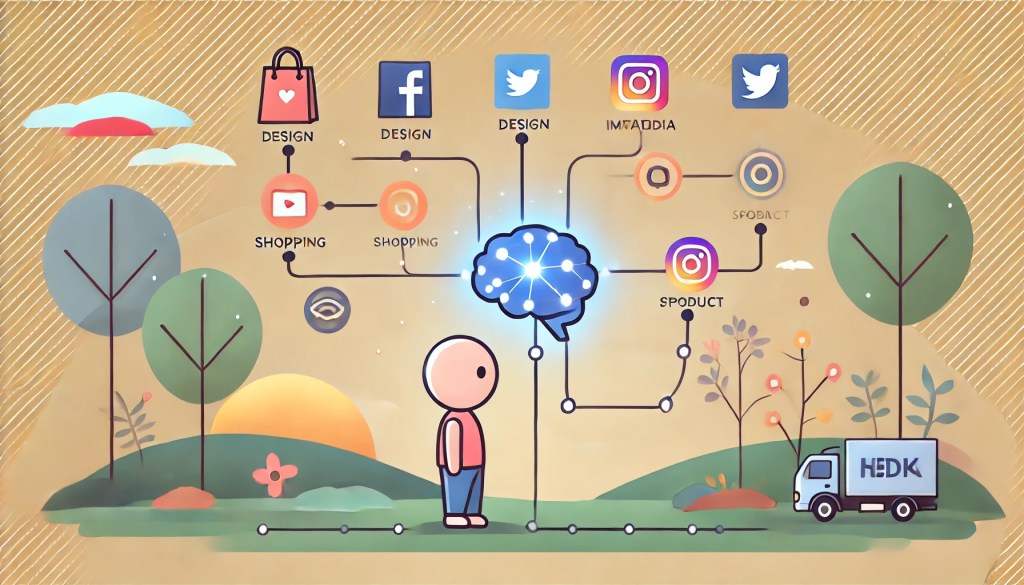
Branding solves information asymmetry. Sellers know their product but buyers do not. This is the asymmetry of information. Branding solves this.
Essentially, it clubs what the buyers knows with the product to be sold. For example, Nike collaborated with Cristiano Ronaldo to promote its shoes. Buyers do not know Nike, but they know Ronaldo. So when this buyer, a Ronaldo fan, buys said Nike shoes, he is associating himself emotionally with his favourite footballer!
Brands use our emotions to promote their products. They use – social proof, reciprocation, unity, scarcity, authority, visual signalling in order to sell it to our minds. Once it is sold to our minds, we are compelled to hit the ‘Add to cart’ button! You think you are doing it consciously, but more often than not, it is branding and marketing in play.
In this blog, we will be dive into this control of the mind.
To know more about brands: What even is a Brand?
Visual Signalling
Ever heard of the placebo effect? During clinical trials, one group is given the actual drug while the other is given a fake one (placebo) with just sugar and water. This is done randomly without the knowledge of the participants. Interestingly, the ones with the placebo, some get cured. MRI has confirmed that this simple visual stimulus of getting a treatment impart changes in neural activity in the brain stem, spinal cord and amygdala often curing the patient like magic.
Now an example related to marketing of a toothpaste company (brand name hidden on purpose) which improved its formulation and marketed their new product by labelling “improved formula”. The company expected sales to increase for their efforts in R&D. However to their dismay, sale remained almost same. They consulted a marketing agency and they suggested putting colourful stripes in the toothpaste. The board members were reluctant – what good will stripes do? It is the same thing. But they followed up on the consultation and put this new series of blue stripped paste. Within a few months, their sales doubled! The shaken CEO, contacted the marketing company and enquired the reason.
“Customers cannot see the changes. Stripes had an impression of change…of improvement”

Interestingly, they sold their previous paste with the stripes and sales still doubled. This was unethical yet the placebo effect is noteworthy for us marketers.
Visual stimulus is crucial for branding. Customers cannot know what internal changes you have made. They need to see something different, even if it is just stripes of food colour, to access change.
This becomes unethical or even harmful when such changes affects the basic functionality of the product that is, you market “improved functionality” without actually improving them.
The Debt of Kindness
A donation campaign was conducted by a non-profit organisation.
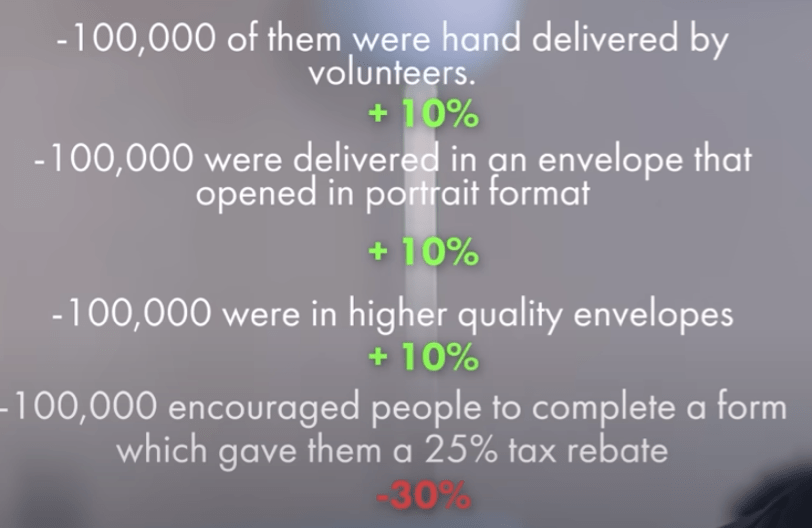
One would think that giving tax rebate to the donors would most likely lead to the most conversions. But that was not the case. A simple act of delivering in high quality of envelope or opening it in portrait format increased conversions by 10%. When volunteers were made to hand deliver them, conversions were more than 10%. All samples inside were same.
Ever heard, “Buy 1 Get 1 Free” or “free samples for first 100 customers” or maybe your received a new product in the mail to try for free. This tactics use the debt of kindness.
The debt of kindness simply put is when you give away something for free or provide a service for free, then the receiver is often obligated to pay back. This is basic human psychology.
Giving away free samples, will most likely compel them to buy their paid product, to “pay back this debt”. This is an age old technique going back to the Romans, or even before that, but we do not have much documented proof.
Customers feel obligated to pay back good quality and effort.




You must be logged in to post a comment.